Water decisions, in the right order
Start with quantity, then solve storage and treatment as separate problems. These guides help households build a practical water reserve without treating a filter as a substitute for stored water.
Start with the question that matches your situation
 6 min read
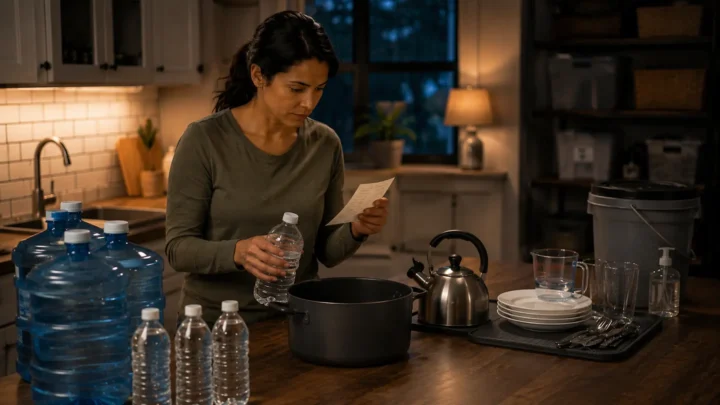
Boil Water Advisory: What You Can Use Tap Water For and What You Should Avoid
A practical household guide to drinking, cooking, brushing teeth, handwashing, ice and home filters during a boil-water advisory.
Read guide →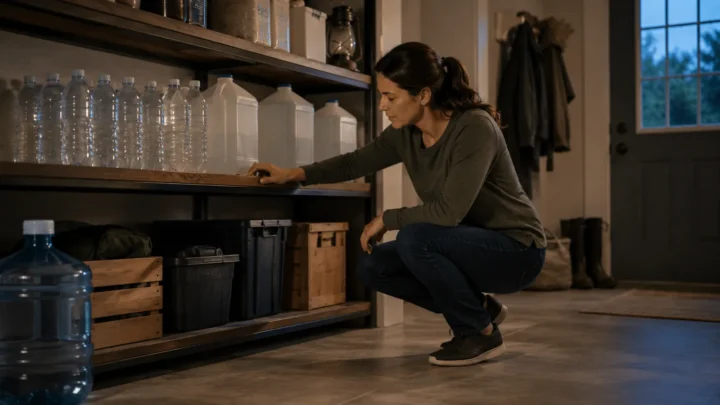 6 min read
How to Store Emergency Water Safely
Container choice, location, rotation and practical mistakes to avoid when building a household emergency water reserve.
Read guide → 6 min read
Stored Water vs. Emergency Water Filtration: Why You May Need Both
Understand the different problems solved by stored drinking water, filters and treatment methods.
Read guide →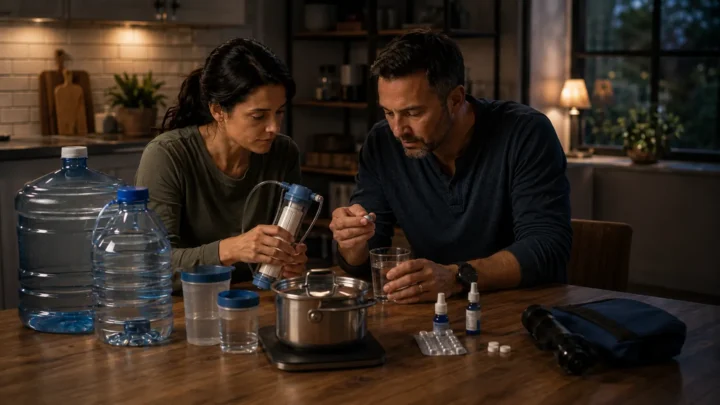 6 min read
Emergency Water Treatment: Boiling, Disinfection and Filtration Explained
What boiling, chemical disinfection and portable filters can—and cannot—do when normal drinking water is unsafe.
Read guide → 7 min read
Emergency Water Filter vs Home Water Filter: What Is the Difference?
Understand the difference between everyday home filtration and emergency water treatment, including source-water risk, certification and infrastructure dependence.
Read guide → 7 min read
Under-Sink Water Filter vs Reverse Osmosis: What Is the Difference?
Compare conventional under-sink filtration and reverse osmosis by contaminants, wastewater, pressure, maintenance and outage behavior.
Read guide → 7 min read
Whole-House vs Under-Sink Water Filter: Which Fits Your Home?
Compare whole-house and under-sink water filtration by treatment goal, certification, plumbing dependence and emergency-resilience limits.
Read guide → 7 min read
Does a Water Filter Work During a Power Outage?
Learn when whole-house, under-sink, RO and gravity water filters may keep working during an outage and which plumbing or power dependencies can stop them.
Read guide → 7 min read
Can You Drink Filtered Water During a Boil Water Advisory?
Learn why ordinary home filtration may not replace boiling during a boil-water advisory and how to distinguish boil, do-not-drink and do-not-use notices.
Read guide → 7 min read
Do Whole-House Water Filters Remove Bacteria?
Learn why whole-house filtration does not automatically mean bacterial removal and how treatment claims, certification and water advisories change the answer.
Read guide → 7 min read
Does Reverse Osmosis Work During a Power Outage?
Learn whether an under-sink RO system works during an outage and how water pressure, well pumps, booster pumps and storage tanks affect it.
Read guide → 6 min read
How Much Emergency Water Should You Store?
CDC recommends storing at least one gallon of water per person per day for at least three days and trying to build toward a two-week supply when possible.
Read guide →Turn guidance into a household plan
Use Prep Check to filter the master requirements to your household and hazards, then use calculators or buying guides only where they answer the next real question.