
FEATURED GUIDE
How to Start Emergency Preparedness at Home Without Buying Everything at Once
A beginner-friendly sequence for household planning, water, food, alerts, lighting, medical needs, sanitation and backup power.
Read guide →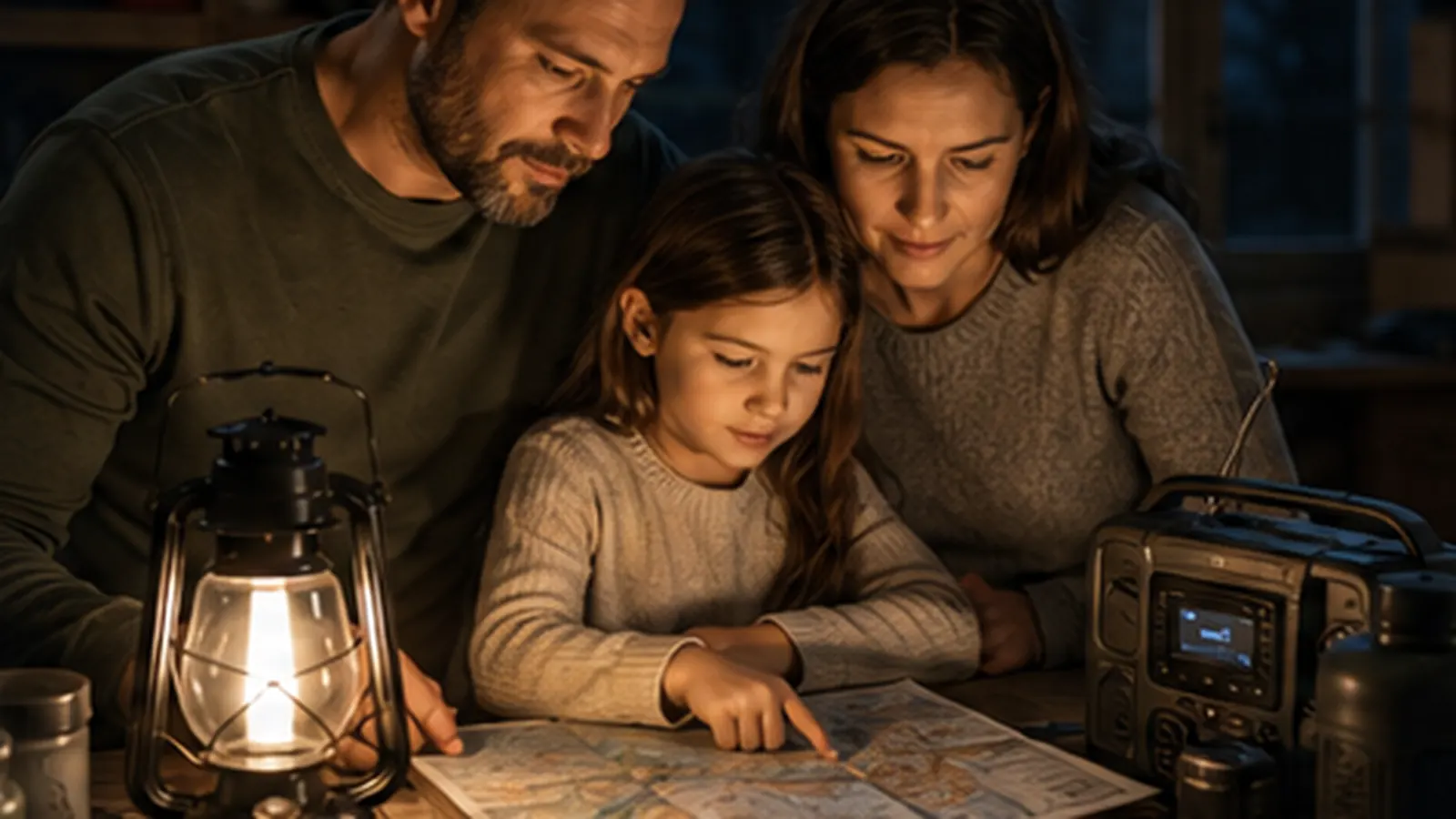
Build a practical household emergency plan, identify meaningful gaps, and understand what to do next—without scare tactics or unnecessary gear.
Start with your situation, not a shopping list.
Plan for disruptions that last hours or days.
Explore →Prepare for wind, rain, outages and evacuation.
Explore →Stay warm, informed and ready during severe cold.
Explore →Build a solid household preparedness baseline.
Explore →Create a practical plan without overbuying.
Explore →Check what you own and identify real gaps.
Explore →Prep Check filters a 52-item source-backed Master Requirements model down to the core, household-specific and hazard-specific items that apply to you. It does not sell you a kit or pretend to certify that you are “ready.”
Every result points to a practical next action, calculator or guide—not automatically to a product.
Understand the essentials before choosing gear.
Turn questions into practical numbers.
Source-backed answers designed around real household decisions.
A beginner-friendly sequence for household planning, water, food, alerts, lighting, medical needs, sanitation and backup power.
Read guide →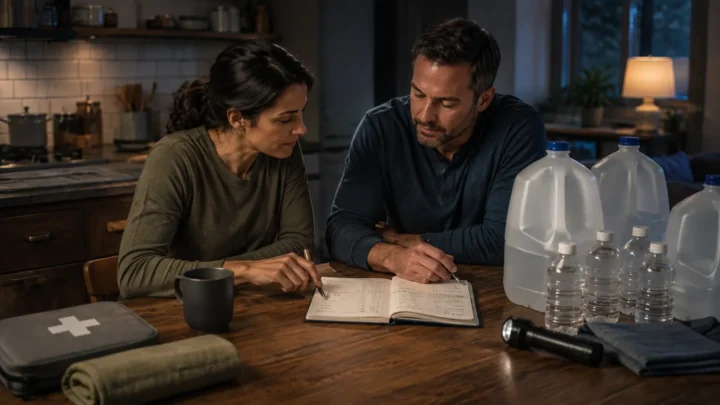
CDC recommends storing at least one gallon of water per person per day for at least three days and trying to build toward a two-week supply when possible.
Read guide →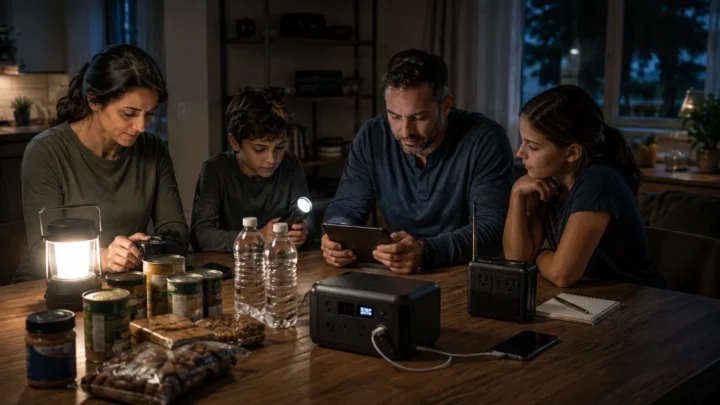
A realistic household plan for lighting, communication, food safety, water, medical needs and selective backup power.
Read guide →Core preparedness content is built around authoritative U.S. public guidance and transparent editorial standards.
Practical preparedness guidance grounded in reputable public sources, transparent research standards and real household needs.