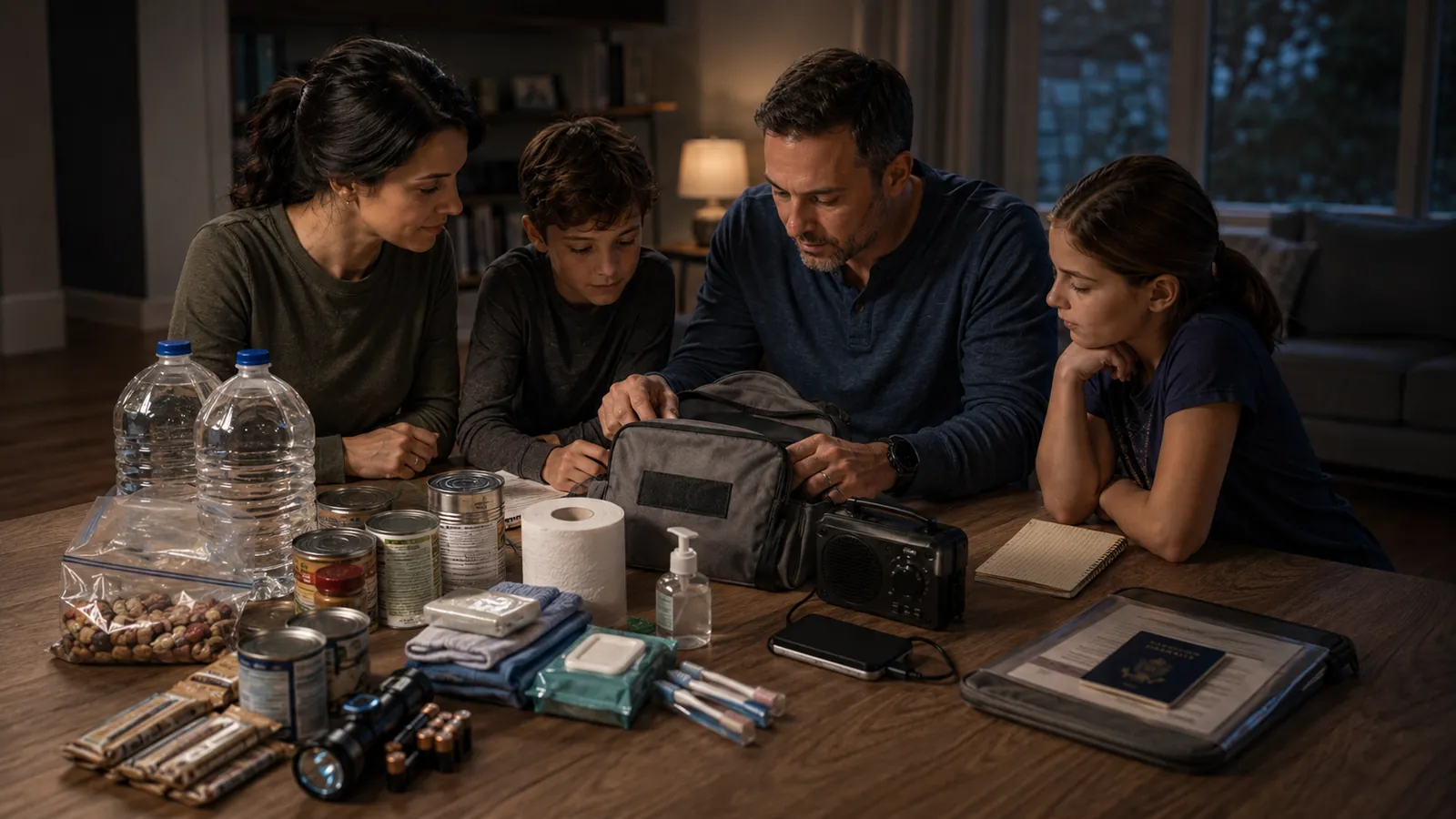
A winter power outage can turn a comfortable home into a cold environment surprisingly quickly, but the rate depends on outdoor temperature, wind, insulation, building size and how often doors are opened. There is no single safe number of hours that applies to every home.
The first objective is to slow heat loss. The second is to keep people warm with clothing, bedding and a smaller occupied area. The third is to recognize when staying becomes less safe than relocating to a heated location.
Conserve the heat you already have
Close exterior doors quickly, reduce unnecessary trips outside and close curtains or blinds where doing so does not create a safety issue. Close doors to unused rooms and concentrate household activity in a smaller interior area. This does not make the house warm, but it can reduce the amount of space you are trying to keep comfortable.
Use towels or draft blockers at obvious air leaks only when they do not block required ventilation, combustion-air openings or exits. Never cover a fuel-burning appliance vent.
- Choose one main occupied room.
- Keep exterior doors closed.
- Use curtains and interior doors to reduce heat loss.
- Keep exits and ventilation paths clear.
Warm people before warming rooms
Layer dry clothing rather than relying on one heavy garment. Hats, warm socks and blankets can reduce heat loss. Infants, older adults and people with certain health conditions can be more vulnerable to cold, so household planning should account for individual needs rather than treating everyone the same.
Sleeping arrangements can also be consolidated into a smaller area. Use normal bedding and sleeping bags designed for the conditions available, and avoid unsafe improvised heating devices inside bedding.
- Keep spare dry layers accessible.
- Change damp clothing promptly.
- Use blankets and sleeping bags rather than open-flame heating.
Avoid carbon monoxide hazards
Never bring a generator, charcoal grill, camp stove or other outdoor combustion device into the home, garage or an enclosed porch to provide heat. Carbon monoxide can build up without warning. Portable generators belong outdoors and well away from doors, windows and vents according to current safety guidance.
If your household uses any approved fuel-burning heat source, follow its manufacturer instructions and maintain working carbon monoxide alarms as appropriate.
- No grills indoors.
- No portable generators in garages.
- Do not use a gas oven as a space heater.
- Keep CO alarms working.
Protect water systems while the house cools
Cold indoor spaces can threaten plumbing before occupants feel they need to evacuate. Know where the main water shutoff is and which pipes are most exposed. If authorities or a qualified professional recommend draining or shutting down part of the plumbing system, having the necessary tools and knowledge ahead of time makes the decision easier.
For a focused plan, use the separate guide on preventing frozen pipes during an outage rather than waiting for a pipe to freeze.
- Locate the main shutoff.
- Know which pipes are in exterior walls, crawlspaces or unheated areas.
- Keep stored emergency water independent of the plumbing system.
Set a relocation threshold before the emergency
A household should decide in advance where it could go if indoor conditions become unsafe: family, friends, a warming center, hotel or other heated location. Travel may also be hazardous during winter storms, so this is a decision to make early rather than after roads deteriorate.
Take medications, chargers, identification, warm clothing and essential supplies if you leave. Never stay solely to protect the house when conditions are becoming unsafe for occupants.
- Identify at least one heated destination.
- Keep vehicle fuel or charging needs in mind.
- Monitor official local instructions and road conditions.
Check whether the heating system needs electricity
A gas or oil supply does not necessarily keep central heat working. Fans, ignition, controls and circulation pumps may need power. Identify your system’s requirements with its manual or a qualified heating professional before treating it as an outage heat source. Do not improvise electrical connections or bypass safety controls.
An electric room heater is also a substantial battery load. For example, a 1,500-watt heater running continuously for two hours requires 3,000 watt-hours delivered to it, before accounting for power conversion and reserve. That example explains why a small power bank is not a room-heating plan; actual heater operation varies. Compare equipment ratings and prioritize essential loads.
Keep the people plan separate from the building plan
Choose a room with safe access and enough space for the people who will use it. Gather dry layers, bedding, a light and the necessary medications and communication supplies. If closing unused rooms helps occupants, also consider pipes in those areas; warmth in the occupied room is not proof that the rest of the building is protected.
Do not block appliance vents, exits or required airflow to reduce a draft. Keep any heater’s required clearances and operating restrictions. A candle or improvised fuel device should not become a substitute for a safe heating plan. Check the linked CDC carbon-monoxide guidance before using any combustion equipment.
Prepare a relocation choice before you need it
Contact a trusted destination or check official information about warming centers while communication and travel are still available. Confirm practical needs: opening times, transport, accessibility, pets and power-dependent medical equipment. A remembered location from a previous winter may not be open during this event.
Follow local instructions and individual medical guidance rather than using one indoor temperature as a guarantee for everyone. If a person becomes unwell or cannot remain safely warm, seek the appropriate urgent help. Do not wait for a pipe to burst or for every room to feel equally cold before reassessing where people should be.
Before leaving, use a prepared plumbing procedure only if safe and appropriate for the system. The frozen-pipe guide covers that separate decision. Keep a communication plan so household members know the destination without relying solely on home Wi-Fi.
Decide when remaining at home is no longer safe
Choose one occupied room you can close off without blocking safe exits, gather appropriate clothing and blankets, and monitor indoor temperature with a battery-powered thermometer. Keep contact information for a warming center, a trusted nearby household and local emergency services accessible offline.
Never operate grills, outdoor heaters, camp stoves or generators indoors for warmth. People with medical vulnerabilities may need an earlier relocation decision; follow local emergency guidance and healthcare instructions.
Sources & references
Content recovery reviewed October 12, 2026. CDC carbon-monoxide and Red Cross winter guidance inform the safety precautions. Heating-load arithmetic is an illustrative calculation. Existing references are retained; this review does not certify every linked document.